Securing a new branding project often hinges on one key document: the branding proposal. This is your moment to shine, to lay out your strategic thinking, and to convince a potential client that you have the vision and capability to transform their brand. A truly effective branding proposal does more than just list services; it diagnoses problems, offers tailored solutions, and clearly communicates the value you bring. It’s the first tangible piece of your expertise they’ll experience, so making it impactful is essential for building trust and setting the foundation for a successful partnership from the very start.
Key takeaways
Know your client inside out: Thoroughly research their specific needs, industry, and objectives to craft a proposal that genuinely speaks to them and offers targeted solutions.
Map out your plan and its payoff: Clearly outline your proposed strategy, deliverables, timeline, and costs, making sure to connect every element back to the real-world value and return they can expect.
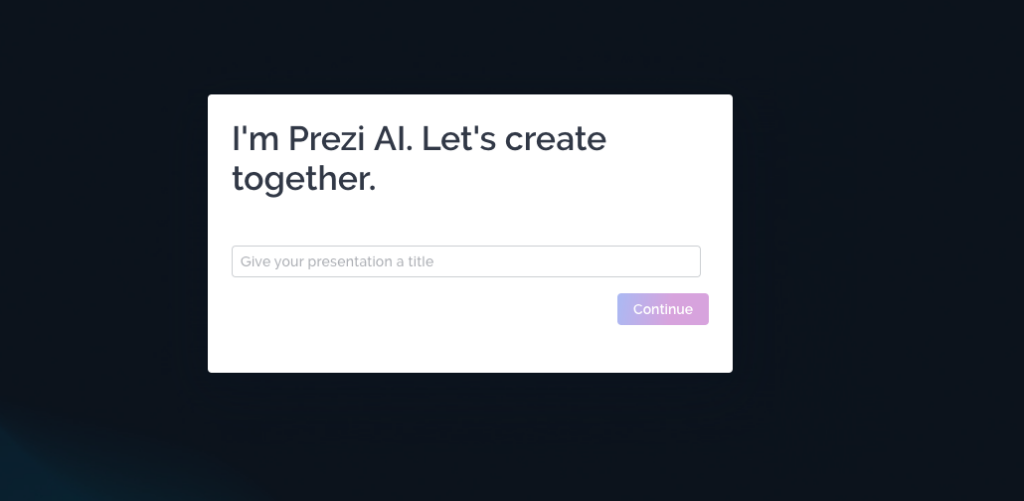
Present with polish and purpose: Many teams now take their written branding proposal and upload it into tools like Prezi AI, which can instantly turn long-form content into a clear, visual narrative. This approach helps clients understand the strategy faster by showing how each idea connects, rather than asking them to digest pages of text on their own.
What exactly is a branding proposal?
Think of a branding proposal as your detailed game plan. It’s a strategic document you, as a branding professional or agency, create to show a potential client exactly how you intend to tackle their branding challenges. More than just a list of services, it’s your chance to demonstrate that you truly understand their needs and have a clear vision for their brand’s success. This document is your first big opportunity to present your unique approach and build confidence.
Its core purpose and must-have elements
At its heart, a branding proposal is all about clearly communicating the value you bring to the table. It’s not a one-size-fits-all document; instead, it should be carefully tailored to each client, reflecting a solid grasp of their business, their position in the market, and the specific hurdles they face. A strong branding proposal is crucial because it does more than just list prices; it diagnoses client problems and thoughtfully offers solutions.
To make sure your proposal hits all the right notes and effectively tells your story, include these key elements:
Introduction/Executive Summary: A concise overview to set the stage.
Challenges/Needs Analysis: Show you’ve listened and identified their specific branding pain points.
Branding Solution: Detail your proposed strategy and how it will address their needs.
Scope of Work: Clearly outline the services you’ll provide.
Timeline/Milestones: Provide a realistic project timeline with key checkpoints.
Investment (Pricing): Present a transparent pricing structure.
About Us: Briefly share your expertise and what makes your agency or practice unique.
Next Steps/Call to Action: Guide them on what to do next to move forward.
How it stands out from other business proposals
What really makes a branding proposal different from, say, a sales proposal for office supplies is its deep dive into the emotional and strategic core of a brand. It’s less about tangible goods and more about shaping perception and building connections. A well-crafted and persuasive branding proposal is vital for securing clients because it goes beyond just listing services; it tells a compelling story about their brand’s potential future.
The most successful proposals are those that not only present what you can do but also vividly demonstrate your understanding of the client’s unique situation. They clearly communicate how your services will deliver real, tangible benefits, helping to build that crucial trust and lay the foundation for a strong client-agency relationship from the get-go. This focus on strategy and understanding is what makes it a powerful tool for winning business.
Why your business needs a strong branding proposal
Think of a branding proposal as more than just a sales document; it’s the blueprint for your brand’s journey and a key to building strong client relationships. When you invest time in crafting a compelling proposal, you’re setting the stage for success in a couple of really important ways.
Shape your brand’s identity and future
First off, a strong branding proposal helps you clearly define and communicate what your brand is all about. It’s where you articulate your vision and lay the groundwork for your brand’s personality and how it will connect with people. Adobe Express highlights that “A strong brand strategy is crucial for success. It’s about creating a unique identity that sets you apart and builds customer loyalty.” This document essentially forces you to crystallize your ideas, ensuring that every decision made—from design choices to messaging—aligns with a cohesive and memorable brand identity. It’s your chance to map out not just where your brand is now, but where you want it to go.
Win over and keep your ideal clients
Beyond defining your own brand, a stellar proposal is your best tool for attracting the right clients. It’s how you show potential partners that you truly understand their world and their challenges. When your proposal speaks directly to a client’s specific goals, it builds immediate trust and shows you’re not just offering generic services, but tailored solutions. This thoughtful approach, which includes thorough market research and transparent pricing, is what turns prospects into long-term partners.
What makes a branding proposal truly effective?
A truly effective branding proposal does more than just list services and prices; it paints a clear picture of how you’ll help a client’s brand shine. Think of it as your opportunity to show you not only get where they are now, but you also have a compelling vision for their future. It’s about building that crucial trust and showing them you’re the right partner to guide them. This isn’t just a document; it’s the start of a collaborative journey, a foundational piece that can make or break a potential partnership. When done right, your proposal becomes a powerful tool that clearly communicates your value and sets the stage for a successful branding project. It’s your chance to demonstrate your strategic thinking and creative prowess, assuring clients that their brand is in capable hands.
A winning proposal anticipates questions, addresses potential concerns proactively, and speaks directly to the client’s aspirations. It moves beyond a simple transaction and frames the engagement as a strategic investment. You’re not just offering a logo or a tagline; you’re offering a pathway to a stronger market position, deeper customer connections, and ultimately, business growth. This document should resonate with the client on both a logical and emotional level, making them feel understood and excited about the possibilities you present. It’s your first big chance to impress, so making every word count is key to turning a prospect into a long-term partner.
Uncover insights: Market research and competitor analysis
Before you even think about outlining your brilliant ideas, your first mission is to become a bit of a market detective. You need to thoroughly investigate the client’s entire world. This means really digging into their industry, figuring out who their competitors are, what those competitors are doing well, and where the opportunities lie. Most importantly, get to know their target audience inside and out. What makes them tick? What problems are they trying to solve? This deep dive isn’t just about showing you’ve done your homework; it’s the solid ground your entire strategy will stand on, allowing you to tailor every recommendation perfectly.
Define clear, meaasurable objectives
Once you’ve got a firm grasp of the client’s landscape, it’s time to get crystal clear on what success will actually look like. A strong branding proposal is essential for winning clients because it does more than list prices; it accurately diagnoses client problems and offers solutions. This all starts with setting objectives that are both clear and measurable. Forget vague goals like “make the brand better.” Instead, aim for specifics: “Increase website traffic from organic search by 25% within six months,” or “Improve brand sentiment scores on social media by 10 points in the next quarter.” This precision shows your client you’re serious about delivering results and gives everyone a clear way to track progress.
Map out your branding strategies and tactics
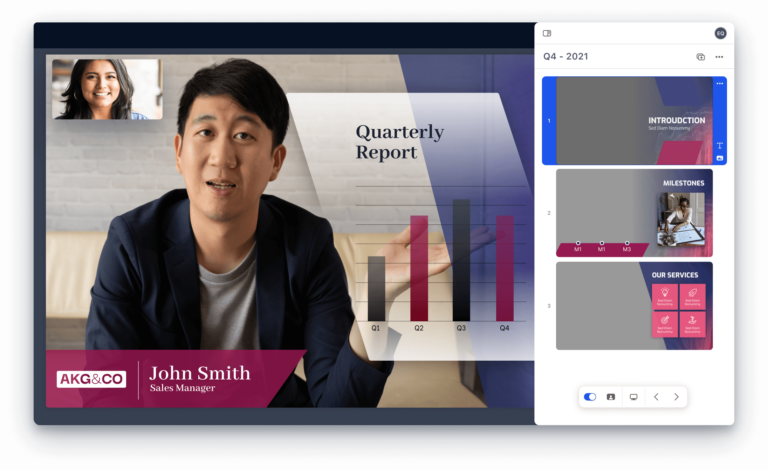
This is where you connect your research insights with those clear objectives you’ve just set. Your proposal needs to create a clear plan that details exactly how you’ll help the client achieve their goals. What specific strategies will you use? Perhaps it’s a complete visual identity overhaul, developing a fresh brand voice, or crafting an unforgettable brand story. Then, break these strategies down into actionable tactics – maybe that includes new logo designs, a website refresh, targeted content creation, or a dynamic social media campaign. Being specific here shows your thoughtful approach. You could even use a tool like Prezi Video to present your proposed strategy in a really engaging way, helping your client visualize the journey ahead.
Once the strategy is defined, many branding teams upload their proposal directly into Prezi AI to translate that thinking into an interactive presentation. Instead of flattening the strategy into slides, AI helps organize the content into a visual story that clients can explore, diving in on key ideas while still seeing how everything fits together.
Specify deliverables, timelines, and budget
Being upfront and clear about the practical side of things is absolutely key for building trust and making sure everyone’s on the same page. Your proposal should clearly list everything the client will receive – think brand guideline documents, all the logo files they could need, website mock-ups, or even a content schedule. Alongside this, it’s so important to provide a detailed timeline that breaks down each project phase and highlights key deadlines. This shows you’re organized and have a solid plan. Finally, lay out the budget transparently. Explain the costs for each part of the project, and crucially, always emphasize the return on investment (ROI) by clearly linking your proposed solutions back to their business goals.
How to write a branding proposal that wows
Creating a branding proposal that truly connects with a potential client means showing them you get them – their challenges, aspirations, and how your unique skills can help. It’s your chance to demonstrate value from the first interaction, setting the stage for a fantastic partnership. When you get this right, you’re not just pitching services; you’re building a compelling case for why you’re the best choice.
Truly understand and address client needs
The foundation of any winning branding proposal is genuinely understanding your client. Before outlining solutions, explore their world. What are their biggest pain points? Their long-term business goals? An effective branding proposal clearly shows how you understand a client’s needs and can help them. It’s more than a service list; it’s a persuasive argument for your expertise. Gain this insight by asking thoughtful questions during initial talks and researching their current brand. This lets you frame your services as direct answers to their specific challenges.
Customize your approach for their industry
Clients easily spot generic proposals. To make yours stand out, tailor it. This means more than just swapping company names. Show you’ve understood their specific industry, market position, and unique challenges. The proposal should be tailored to each client, demonstrating deep understanding of their business and market. Research competitors, identify industry trends, and use specific language. This customization signals a bespoke strategy, not a one-size-fits-all solution. This detailed approach helps you design compelling presentations that effectively articulate your solutions.
Showcase your expertise and proven success
After showing you understand the client and their industry, build their confidence in your ability to deliver. Highlight your expertise and track record. A strong proposal clearly defines your services, linking them to client needs and benefits. Don’t just tell them what you do; show what you’ve done. Include concise case studies or examples of successfully tackled challenges. A good proposal should capture attention, present solutions, establish credibility, and encourage action. Providing concrete proof and a transparent process makes it easier for them to say “yes.”
Design and present your proposal like a pro
Once you’ve nailed down the core content of your branding proposal, how you present it can make all the difference. A thoughtfully designed and clearly communicated proposal shows clients you’re professional, detail-oriented, and truly understand their needs. It’s your chance to not just tell them, but show them the value you bring. Let’s look at how to make your proposal shine and leave a lasting positive impression.
Grab their attention by making your presentation more interactive
One effective approach is to start with a well-written branding proposal and then upload it into Prezi AI. From there, AI can help transform the document into an interactive, presentation-ready experience — organizing sections, highlighting key ideas, and creating a clear visual flow. This makes it easier for clients to follow complex strategy, stay engaged, and ask better questions during the conversation.
Instead of sending a PDF and hoping it gets read, you’re guiding your audience through the thinking in a way that feels collaborative and easy to understand.
Leveraging visual storytelling tools can make your branding proposal more engaging and memorable; for example, presenting key sections through an interactive format like Prezi Video helps bring your strategy to life and connects more deeply with your audience.
Make it visually appealing and on-brand
First impressions matter, and the visual design of your proposal is often the first thing a client notices. Aim for a look that’s not just eye-catching but also incredibly easy to read and digest. A well-designed proposal should clearly reflect your agency’s professionalism and brand identity, reinforcing the quality you bring. Think clean layouts, readable fonts, and a cohesive color palette that aligns with your brand (or the client’s, if appropriate). Using a dynamic presentation tool can help you create stunning visuals that keep your potential client engaged from the first slide to the last. Remember, the goal is to make your information accessible and your brand memorable, showing them you pay attention to every detail.
Write with clarity, brevity, and a storytelling Flair
While visuals draw them in, the words you use will convince them. Your proposal needs to be more than just a list of services and prices; it should tell a compelling story. Clearly articulate the client’s challenges and position your services as the ideal solution. Write with clarity and conciseness – avoid confusing jargon and get straight to the point. Effective brand storytelling can create a journey for your client, guiding them from their current problem to the successful outcome you can help them achieve. This narrative approach makes your proposal more engaging and easier for clients to connect with on an emotional level, helping them envision the positive change you can bring.
Use data and visuals to strengthen your points
Back up your brilliant ideas with solid proof. Incorporating relevant data, statistics, and case studies can significantly enhance your proposal’s credibility and make your arguments more persuasive. Don’t just state that your strategies work; show how they’ve worked for others, ideally in similar situations or industries. Visuals are absolutely key here – charts, graphs, and infographics can make complex data much more understandable and impactful. Instead of dense paragraphs of text, present your data visually to highlight key insights and demonstrate the potential impact of your branding strategy. This makes your points stick and clearly shows you’ve done your homework, building trust and confidence in your abilities.
When a branding proposal is uploaded into Prezi AI, data points, research insights, and KPIs can be visually connected back to the overall brand story. This helps clients understand not just the numbers, but why they matter and how they support the broader strategy.
Mistakes to sidestep when writing your proposal
Putting together a branding proposal takes time, creativity, and a genuine desire to help your potential client succeed. You’ve poured your expertise into understanding their needs and envisioning a brighter future for their brand. But even the most brilliant ideas can lose their shine if the proposal itself stumbles over common hurdles. Think of your proposal as a critical presentation of your capabilities and understanding; any missteps can inadvertently cast doubt on your attention to detail or even your grasp of the client’s situation. It’s a direct reflection of your own brand and professionalism, so getting it right is paramount.
The good news? These pitfalls are often quite avoidable once you know what to look for. It’s not about aiming for an impossible standard of perfection, but about being mindful and strategic in how you communicate your value. By recognizing these common mistakes, you can proactively steer clear of them, ensuring your proposal doesn’t just get read, but gets remembered for all the right reasons. This awareness is the first step toward crafting proposals that are not only persuasive but also build a strong foundation of trust from the very first interaction. A well-structured, thoughtful proposal shows you’re serious, capable, and truly invested in the client’s success. Let’s explore some key areas where proposals can sometimes go off track, and more importantly, how you can keep yours firmly on the path to winning projects, making sure your hard work truly pays off.
Avoid generic solutions: Do your homework
One of the quickest ways for a proposal to lose its impact is by feeling generic. Your potential client needs to see that you understand their specific challenges and opportunities, not just offer a one-size-fits-all plan. Before you write a single word of your solution, dedicate time to thorough research. This means looking into their market, their current branding efforts, and what their competitors are doing. Truly understanding their unique position allows you to tailor your proposal effectively. As The Look and the Feel aptly puts it, many branding mistakes can be avoided by simply doing this essential groundwork and understanding how all the pieces work together to send a clear message.
Don’t overlook budget or timeline constraints
It’s easy to get swept up in the creative vision of a branding project, but overlooking the practical details of budget and timeline can lead to serious misunderstandings down the road. Your proposal must clearly address these constraints head-on. Be transparent about your pricing structure, what’s included, and any potential additional costs. Similarly, provide a realistic timeline for deliverables. According to Studio Seaside, it’s vital to clearly outline your payment schedule and any extra fees, because transparency is absolutely key. This clarity builds trust and shows your client that you’re organized and respectful of their resources.
Clearly demonstrate value and ROI
Your proposal isn’t just a list of services and prices; it’s your chance to show the client the tangible value and return on investment (ROI) they can expect from working with you. They need to understand why your branding solutions are worth their investment. Instead of just stating what you’ll do, explain how it will benefit them. Will it increase brand recognition, attract more of their ideal customers, or allow them to command higher prices? As Cone highlights, a strong branding proposal is crucial because it does more than list prices; it diagnoses client problems and offers concrete solutions. Focus on the positive outcomes your work will deliver.
How to measure and share your proposal’s success
Alright, so your brilliant branding proposal got the green light – congratulations! That’s a huge step, and you should definitely pat yourself on the back. But as you know, landing the client is just the beginning of an exciting journey together. Now, it’s time to roll up your sleeves and show them the real magic by delivering on your promises and, crucially, demonstrating the impact of your work. This is where measuring and sharing your success comes into play, and it’s just as important as the proposal itself. It’s not simply about ticking off tasks from a list; it’s about proving the tangible value you bring and building a strong, lasting relationship with your client. Think of it as the compelling sequel to your proposal story, where you get to showcase the fantastic results and the positive changes your branding strategies are creating.
When you effectively communicate this progress, you solidify trust and open doors for future collaborations, turning a one-time project into a long-term partnership. This phase is all about turning those well-laid plans into visible achievements and making sure your client sees and understands every win, big or small. It’s your opportunity to reinforce their decision to partner with you and to highlight how your branding expertise translates into tangible benefits for their business. By focusing on clear metrics and transparent reporting, you transform abstract branding concepts into concrete successes, making the value of your work undeniable and keeping your client excited about what’s next. This continuous dialogue about progress and results is key to a healthy client relationship.
Define your key performance indicators (KPIs)
First things first, let’s get crystal clear on what success actually looks like for this project. This is where Key Performance Indicators, or KPIs, come in. These are the specific, measurable values you’ll use to track progress and show how your branding efforts are making a real difference. Remember how your proposal diagnosed the client’s problems and offered solutions? Your KPIs should directly relate to solving those problems and achieving the objectives you outlined. It’s super important to establish these metrics collaboratively with your client from the outset.
This ensures everyone is on the same page and working towards the same goals. Think about what truly matters to their business: Is it increased brand awareness, more qualified leads, improved customer perception, or a direct sales impact? Your KPIs could include website traffic growth, social media engagement, or conversion rates. Clearly defined KPIs not only help you track progress but also powerfully demonstrate the return on investment (ROI) of their branding spend.
Track and report on the brand’s impact
With your KPIs set, the next step is to consistently track them and report back to your client on the brand’s impact. This isn’t a one-off task; it’s an ongoing conversation that keeps your client informed and confident in your work. Regular reporting helps to show the tangible results of your branding strategies, whether it’s building stronger emotional connections with their customers or enhancing their overall reputation. This is your chance to showcase how your strategic storytelling and design work are moving the needle.
When sharing these updates, present the data in a clear, engaging, and easy-to-understand way. Instead of just a spreadsheet, consider using visual tools to create compelling reports that tell the story of their brand’s growth. Highlighting increased customer loyalty or market differentiation makes your reports powerful. Set a regular schedule for these updates—monthly or quarterly—to maintain transparency and reinforce the value you’re delivering.
Ace your branding proposal presentation
You’ve poured your heart and expertise into crafting a stellar branding proposal. Now, it’s time to present it in a way that truly connects with your potential client and seals the deal. Think of this as the final, crucial step where your preparation and passion come alive. It’s not just about showing your work; it’s about demonstrating that you’re the right partner to bring their brand vision to life. A compelling presentation can transform a great proposal on paper into an enthusiastic “yes!”
Presenting directly from an AI-powered format can also make live conversations more flexible. With a proposal uploaded into Prezi AI, presenters can easily zoom into specific sections based on client questions, then pull back to the big picture without losing momentum. This keeps the presentation dynamic and ensures the audience always understands how each detail connects to the overall brand vision.
Get ready for client questions
Walking into your presentation feeling prepared to answer anything your client throws your way is a game-changer. A truly strong proposal anticipates questions by its very nature. This means you’ve already included thorough market research, clearly defined how your services meet their specific needs and what benefits they’ll see, laid out transparent pricing, and provided a realistic project timeline. When your proposal demonstrates a deep understanding of their business and how you’ll deliver tangible results, you’re already halfway to addressing their concerns before they even voice them. So, review your proposal from their perspective, pinpointing areas where they might seek clarification or more detail. This proactive approach builds their confidence in your expertise from the very first slide.
Master effective presentation techniques
How you deliver your proposal is just as important as what’s in it. You want to capture your client’s attention right from the start. Consider creating a compelling hook – maybe a surprising statistic relevant to their industry, a relatable anecdote about a similar challenge you’ve solved, or a bold vision for their brand’s future. Weave in emotional storytelling; don’t just list facts and figures. Instead, tell the story of their brand’s potential transformation, using conflict and resolution to build suspense and forge a stronger connection.
Follow up smartly after you present
The conversation doesn’t end when your presentation does; in many ways, it’s just beginning. A thoughtful follow-up strategy is key to keeping the momentum going and showing your continued commitment. Aim to follow up with the client within about a week of your presentation. This shows you’re enthusiastic, organized, and value their time. Your follow-up doesn’t need to be lengthy; a simple email reiterating key discussion points, offering to answer any further questions that may have come up, or sharing a relevant article can be very effective. Some digital proposal tools even offer insights into how the client is engaging with your document post-presentation, which can help you tailor your follow-up communication and timing, making your approach feel more personalized and less like a generic check-in.
Frequently Asked Questions
I’m new to this. What’s the main goal of a branding proposal, really? Think of your branding proposal as your opening act to build trust and show a potential client you truly understand their world. It’s much more than a price list; it’s your detailed plan showing them exactly how you’ll help solve their specific branding challenges and what a partnership with you will look like. Your main goal is to clearly communicate your value and make them feel confident you’re the right person for the job.
Can I turn a written branding proposal into a presentation without rebuilding everything from scratch? Yes. Many teams now upload their existing branding proposal directly into Prezi AI, which helps transform written content into a structured, interactive presentation. This makes it easier for clients to understand the strategy during live discussions — without requiring you to manually redesign or reformat your work.
How can I make my proposal stand out if I’m competing against more established agencies? You can absolutely shine by focusing on genuine understanding and a personalized touch. Instead of trying to out-feature bigger players, show that you’ve deeply listened to the client’s specific needs and that your proposed solutions are thoughtfully tailored to their unique situation and industry. Highlighting your unique approach, your agility, or specific successes with similar challenges can make a huge impact.
My client seems focused on price. How do I shift the conversation to the value I offer? It’s common for clients to be budget-conscious, so your job is to clearly connect your services to the results they care about. Frame your solutions in terms of the return on their investment – how will your branding work help them attract more ideal customers, increase their market share, or solve a persistent business problem? When they see your services as an investment in their growth rather than just a cost, the price becomes less of a sticking point.
What’s a common mistake people make when writing these proposals that I can easily avoid? One of the most frequent missteps is sending out a generic, one-size-fits-all proposal. Clients can spot these from a mile away! To avoid this, always do your homework. Research their company, their industry, and their competitors so you can tailor every aspect of your proposal to their specific situation and demonstrate you’ve put real thought into their unique needs.
Once the proposal is sent, what’s the best way to follow up without seeming pushy? A thoughtful follow-up is key! Give them a little time to digest everything, then reach out within about a week. Instead of just asking if they’ve made a decision, you could offer to clarify any points, share a relevant article, or briefly reiterate your enthusiasm for their project. The aim is to be helpful and keep the conversation going, not to pressure them.